Home Conditions Services Our Team Our Philosophy Book Now

Conditions we treat

Back Pain Treatment in Blackpool

Back pain is one of the most common reasons people see an osteopath, and one of the conditions that responds exceptionally well to hands-on osteopathic care. You don't have to manage it with painkillers or accept it as inevitable.

Book an Assessment →
Back pain treatment Blackpool

Understanding the condition

What is back pain, and why does it happen?

Back pain affects around 80% of people at some point in their lives. It ranges from a dull, persistent ache to sharp, sudden pain that makes movement almost impossible. Despite how common it is, the cause is frequently misunderstood, and poorly treated as a result.

Back pain rarely has a single cause. It typically involves a combination of structural issues, joint restriction, muscle imbalance, soft tissue tightness, alongside contributing factors such as posture, movement habits, stress, and lifestyle. Treating only the site of pain, without addressing these wider factors, is why so many people find temporary relief but no lasting resolution.

As osteopaths, we are trained to look at the whole picture. We assess not just where it hurts, but why, looking at the full spine, pelvis, hips, and how you move, stand, and breathe. That whole-body lens is what allows us to address root causes, not just symptoms.

Common symptoms

Dull, persistent aching across the lower back
Sharp or stabbing pain on movement
Stiffness first thing in the morning
Pain that radiates into the buttocks or legs
Difficulty standing up straight
Pain that worsens after sitting for long periods
Muscle spasm or tightness in the lower back
Reduced range of movement when bending or twisting

Contributing factors

What makes back pain worse, and what we look for

  • Poor postural habits, particularly from prolonged sitting at a desk or screen
  • Muscle imbalances, tight hip flexors, weak core, or overloaded lumbar erectors
  • Joint restriction in the lumbar spine, sacroiliac joints, or hips
  • Previous injury that was treated symptomatically but not fully resolved
  • Repetitive movement patterns, lifting technique, sport-specific loading
  • Stress and sleep quality, which directly affect pain sensitivity and muscle tension
  • Breathing pattern dysfunction, which alters pressure in the thoracic and lumbar spine
  • Foot mechanics and gait patterns that create loading problems further up the chain

A note on imaging

Most people with back pain have been told they have a "disc bulge" or "wear and tear" on an MRI or X-ray. These findings are extremely common, they exist in people with no pain at all. Structural findings on imaging do not always explain pain, and should not automatically determine treatment. We focus on what is happening functionally, how you move, what is restricted, what is overloaded, not just what shows up on a scan.

How we help

Treatment approaches for back pain

Your treatment plan will be specific to you, there is no standard protocol. These are the primary tools we may use, selected and combined based on your assessment.

Joint mobilisation

Gentle, controlled movement to restore normal motion to restricted spinal and pelvic joints.

Soft tissue work

Direct treatment of tight, overworked muscles and fascia to reduce tension and improve movement quality.

Thorough assessment

We assess the whole spine, pelvis, hips, and movement patterns before forming a clinical picture, not just the area of pain.

Personalised exercises

Specific, targeted rehabilitation exercises to support recovery and build resilience, not generic programmes.

Lifestyle advice

Practical guidance on posture, work setup, sleep position, and daily habits that are contributing to your pain.

Back pain & osteopathy

How many sessions will I need?

This varies depending on how long you have had the pain, its severity, and how your body responds to treatment. Many patients notice significant improvement within two to four sessions. We will give you a realistic expectation after your first assessment, and we will never sign you up to a block of sessions.

Is osteopathy safe for back pain?

Yes. Osteopathy is a statutorily regulated healthcare profession in the UK. Our osteopaths are fully registered with the General Osteopathic Council (GOsC) and carry full professional indemnity insurance. Osteopathy is recognised by NICE as an effective treatment for low back pain.

Do I need a GP referral?

No. You can book directly with us. Many patients come to us after exhausting NHS waiting lists, or alongside other medical care. If we feel your condition requires referral or investigation, we will tell you clearly and help you navigate that.

Will treatment hurt?

Osteopathic treatment should not be painful. Some techniques involve mild discomfort, particularly if treating a very tight or inflamed area, but you are always in control and we will explain what we are doing and why throughout.

Can osteopathy help if I've had back pain for years?

Yes, chronic back pain often responds well to osteopathic treatment, particularly when previous care has focused only on the site of pain. Our whole-body assessment frequently identifies contributing factors that have been overlooked elsewhere.

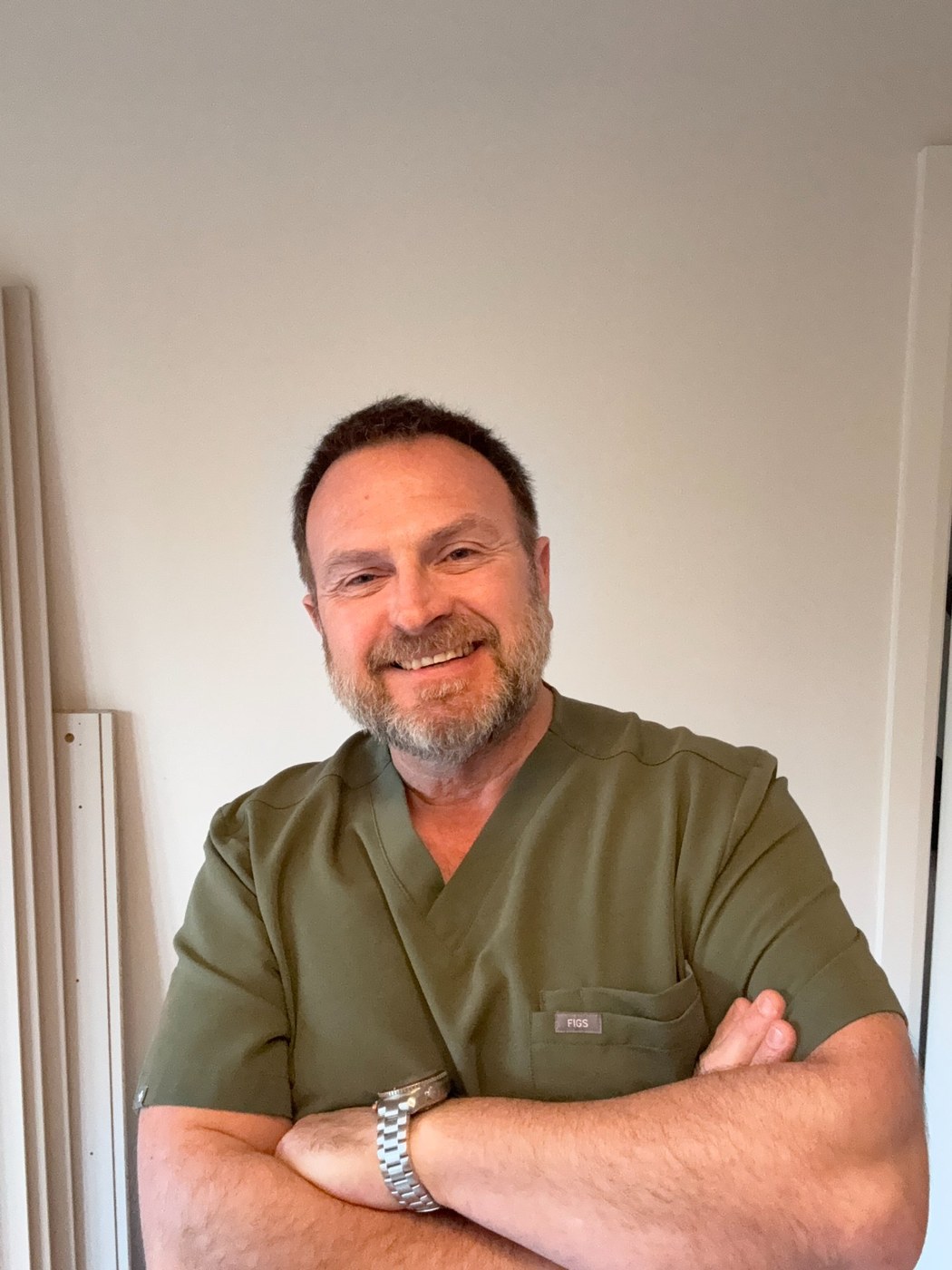
David Feherty DF

David Feherty

Registered Osteopath & Principal

In hands-on healthcare since 1999. David combines structural osteopathy with acupuncture and dry needling where appropriate.

GOsC Registered
Book with David →

Book your back pain assessment in Blackpool

New patient assessments available often within the same week. No waiting lists, no block sign-ups.

07946 356 373  ·  hello@osteopathblackpool.co.uk

Book Online Call Us

This information is for educational purposes only and does not replace individual medical advice, diagnosis, or treatment. If you are in severe pain, have unexplained neurological symptoms, or have recently experienced trauma, please seek urgent medical attention or contact your GP.