Conditions we treat
Frozen Shoulder in Blackpool
Frozen shoulder, shoulder and elbow pain, and tennis elbow, arising from associated musculoskeletal conditions of the back or neck.
Frozen shoulder is one of the most frustrating conditions to live with, a slow, painful loss of movement that disrupts sleep, work, and daily life. Osteopathic treatment is planned around the stage of the condition.
Book an Assessment →Understanding the condition
What is frozen shoulder, and why does it take so long?
Frozen shoulder, or adhesive capsulitis, is a condition in which the capsule surrounding the shoulder joint becomes inflamed and thickened, gradually restricting movement. It typically progresses through three stages: a painful freezing phase, a frozen phase where movement is most restricted but pain may ease slightly, and a thawing phase in which movement gradually returns.
The full cycle can take anywhere from one to three years. Frozen shoulder usually resolves over time. Treatment and advice are planned around the stage you are in.
Diagnosis matters here. Not all shoulder stiffness is frozen shoulder. Our assessment distinguishes true adhesive capsulitis from rotator cuff pathology, AC joint problems, and other presentations that can look similar.
Common symptoms
Contributing factors
What we assess
- Stage of the condition, freezing, frozen, or thawing, which determines the appropriate approach
- Cervical and thoracic spine mobility, which directly affects shoulder function
- Compensatory patterns in the neck, upper back, and opposite shoulder
- Rotator cuff and scapular muscle involvement
- Postural factors, particularly thoracic kyphosis and forward head position
- Contributing health factors, including diabetes, which significantly increases frozen shoulder risk
Diabetes and frozen shoulder
People with diabetes are significantly more likely to develop frozen shoulder and tend to have a more prolonged course. We will factor this into your treatment plan.
How we help
Osteopathic treatment for frozen shoulder
Treatment approach depends entirely on which stage you are in. We do not apply a standard protocol, and we will explain clearly what is appropriate for your presentation.
Stage-appropriate mobilisation
Gentle joint mobilisation techniques adapted to the current stage, working within the available range without provoking unnecessary inflammation.
Soft tissue treatment
Releasing the muscles around the shoulder, neck, and upper back that become tight and protective in response to restricted movement.
Cervical and thoracic work
Addressing the neck and upper back, which directly influence shoulder mechanics and are frequently restricted in frozen shoulder presentations.
Home exercise programme
Specific pendulum exercises and gentle range-of-motion work to maintain and gradually increase movement between sessions.
Pain management advice
Practical guidance on positioning, sleeping posture, and activity modification, including sleeping positions.
Common questions
Frozen shoulder & osteopathy
How does osteopathy fit with frozen shoulder?
We cannot reverse the inflammatory process that causes it. Treatment looks at keeping the shoulder moving within comfort and easing tension in the surrounding areas, with advice for each stage.
I have been told to just wait it out. Is that right?
The natural history of frozen shoulder does eventually resolve in most cases, but this can take one to three years and often leaves some residual restriction.
How many sessions will I need?
How many sessions you need depends on what David finds. He will tell you what he expects at your first appointment and review it with you as you go.
Should I be doing exercises at home?
Yes, within limits. Gentle, appropriate home exercise is an important part of managing frozen shoulder. We will give you a specific programme matched to your current stage, rather than generic exercises that may be unhelpful or counterproductive.
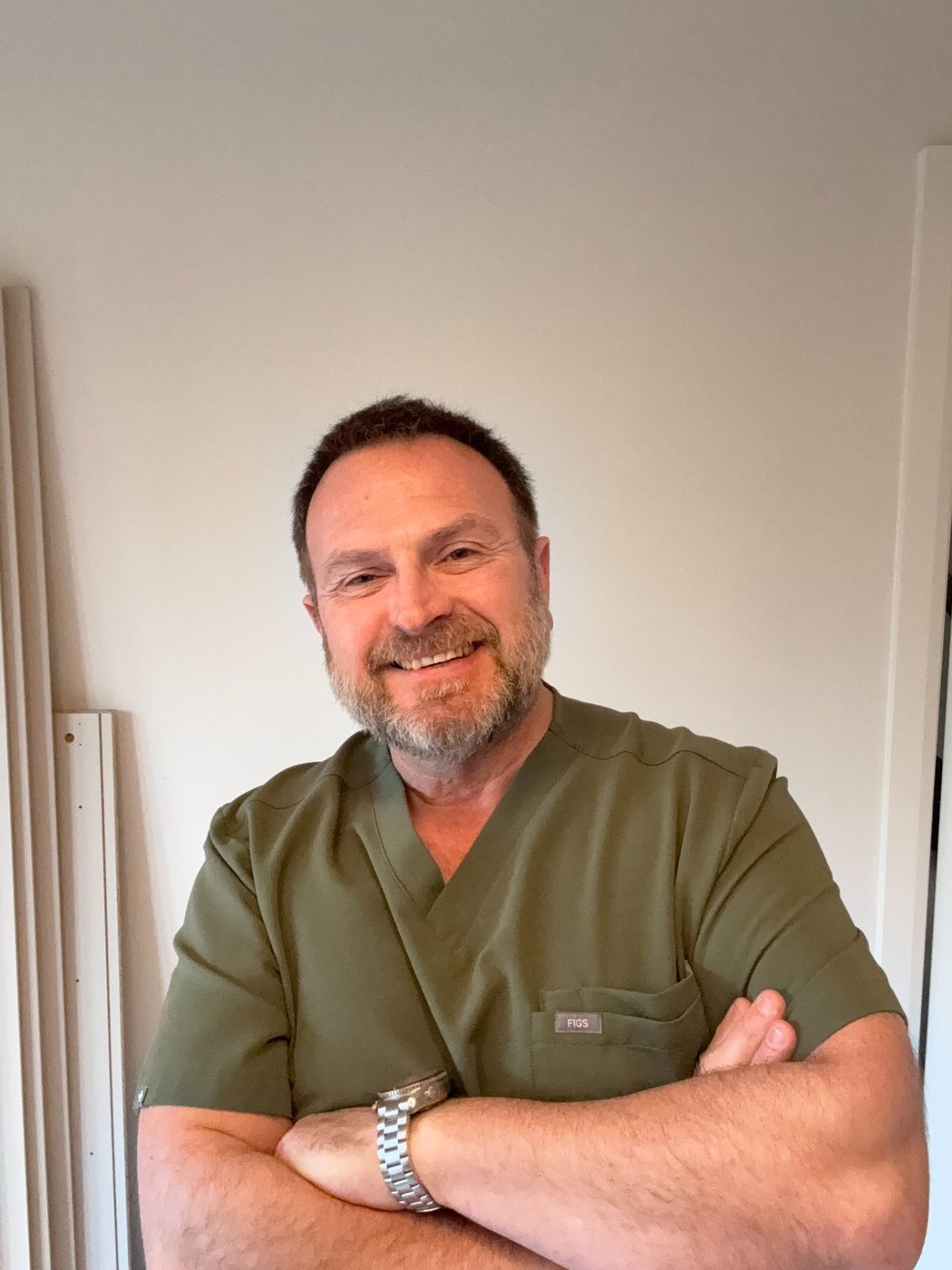
David Feherty
Registered Osteopath & Principal
First qualified in hands-on therapy in 1999.
GOsC RegisteredBook with David →
Book your frozen shoulder assessment in Blackpool
Book online any time, or call 07946 356 373. No block sign-ups.
This page is for educational purposes only and does not constitute individual medical advice, diagnosis, or treatment. If you are experiencing persistent or worsening symptoms, please seek a personalised assessment from a qualified healthcare professional. If your symptoms include loss of bladder or bowel control, unexplained weight loss, or fever alongside pain, seek urgent medical attention.
David Feherty is registered with the General Osteopathic Council (GOsC registration no. 11669).