Conditions we treat
Minor Sports Injuries in Blackpool
A sports injury is not just the site of pain. It is a signal that something in how your body moves, loads, and distributes force has been exceeded. We find out why it happened, not just what happened.
Book an Assessment →
Understanding the condition
How we look at sports injuries
Osteopathy approaches sports injuries through a whole-body lens. A runner's knee problem may be driven by hip mechanics or foot pronation. A shoulder impingement in a swimmer may be connected to thoracic spine stiffness. A recurring hamstring strain may reflect a pelvic imbalance or lumbar restriction that is never addressed when the focus stays on the hamstring itself.
Our assessment goes beyond the injury to find the mechanical context in which it occurred. That is what allows us to treat the immediate problem and explain what you can do yourself.
Common symptoms
Contributing factors
What we look for beyond the injury site
- Previous injuries that altered movement patterns and were never fully rehabilitated
- Hip, pelvis, and lumbar mechanics affecting lower limb loading
- Thoracic spine and shoulder girdle function affecting upper limb and whole-body movement
- Foot mechanics and gait patterns creating compensatory loading higher in the chain
- Training load errors, spikes in volume or intensity without adequate adaptation time
- Breathing pattern dysfunction affecting core stability and spinal loading
- Sleep, nutrition, and recovery habits affecting tissue capacity and healing
Return to sport
Before you go back to full training, David will talk you through what to build up and when.
How we help
Osteopathic treatment for sports injuries
Treatment varies considerably depending on the injury, the sport, and what the assessment reveals. These are the primary tools we use.
Whole-body mechanical assessment
Identifying not just the injured structure but the movement patterns, compensations, and mechanical drivers that contributed to the injury.
Soft tissue and joint treatment
Direct treatment of the injured area alongside the structures that are loading or compensating for it.
Sport-specific rehabilitation
Progressive loading and movement work designed around your sport, your position, and the demands of returning to full performance.
Injury prevention analysis
Looking at the factors that may have contributed, so you know what to work on.
Load management guidance
Practical advice on training modification during recovery and a structured return-to-sport plan.
Common questions
Sports injuries & osteopathy
How soon after an injury should I come in?
As soon as possible after the acute phase, typically 48 to 72 hours post-injury once the initial swelling and reactive phase has settled. Early assessment allows us to establish the nature and severity of the injury, begin appropriate treatment, and give you accurate guidance on timeline and activity. You do not need to wait until you are hobbling around before seeking help.
Do you work with amateur or recreational athletes?
Yes. You do not need to compete at any level to book.
Can you help with injuries that keep recurring?
Yes, you can book. David will look at what may be contributing beyond the injured area.
Do I need a scan before coming to see you?
No. We can assess most sports injuries clinically and begin treatment without imaging. If the clinical picture suggests a significant structural injury that warrants imaging, we will advise you and help you navigate the appropriate route.
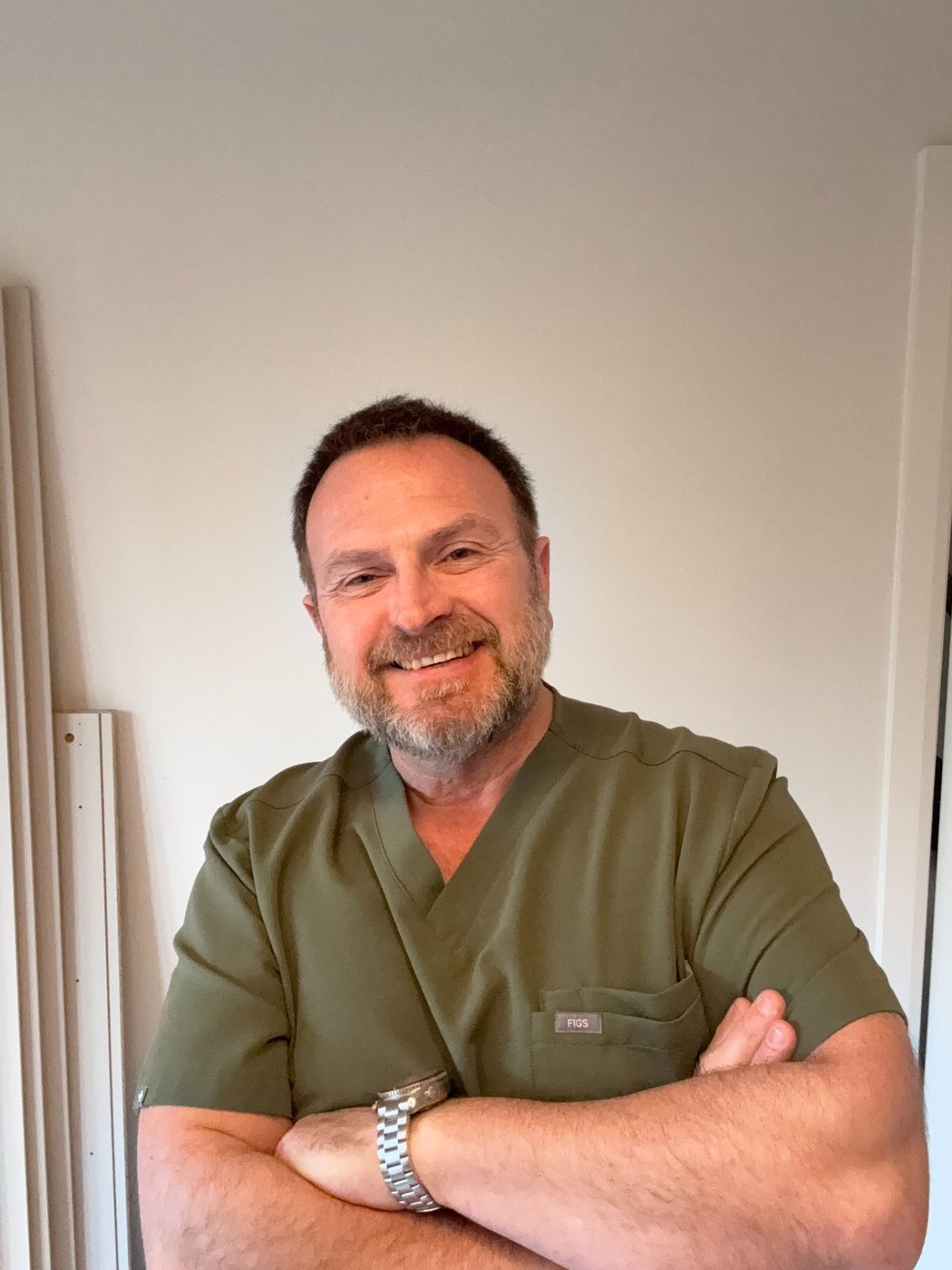
David Feherty
Registered Osteopath & Principal
First qualified in hands-on therapy in 1999.
GOsC RegisteredBook with David →
Book your sports injury assessment in Blackpool
Book online any time, or call 07946 356 373. No block sign-ups.
This page is for educational purposes only and does not constitute individual medical advice, diagnosis, or treatment. If you are experiencing persistent or worsening symptoms, please seek a personalised assessment from a qualified healthcare professional. If your symptoms include loss of bladder or bowel control, unexplained weight loss, or fever alongside pain, seek urgent medical attention.
David Feherty is registered with the General Osteopathic Council (GOsC registration no. 11669).