Conditions we treat
Arthritis does not have to mean accepting a slow decline in what you can do. Osteopathic treatment cannot reverse structural joint changes, but it can significantly improve mobility, reduce stiffness, and help you move more comfortably in the body you have.
Book an Assessment →
Understanding the condition
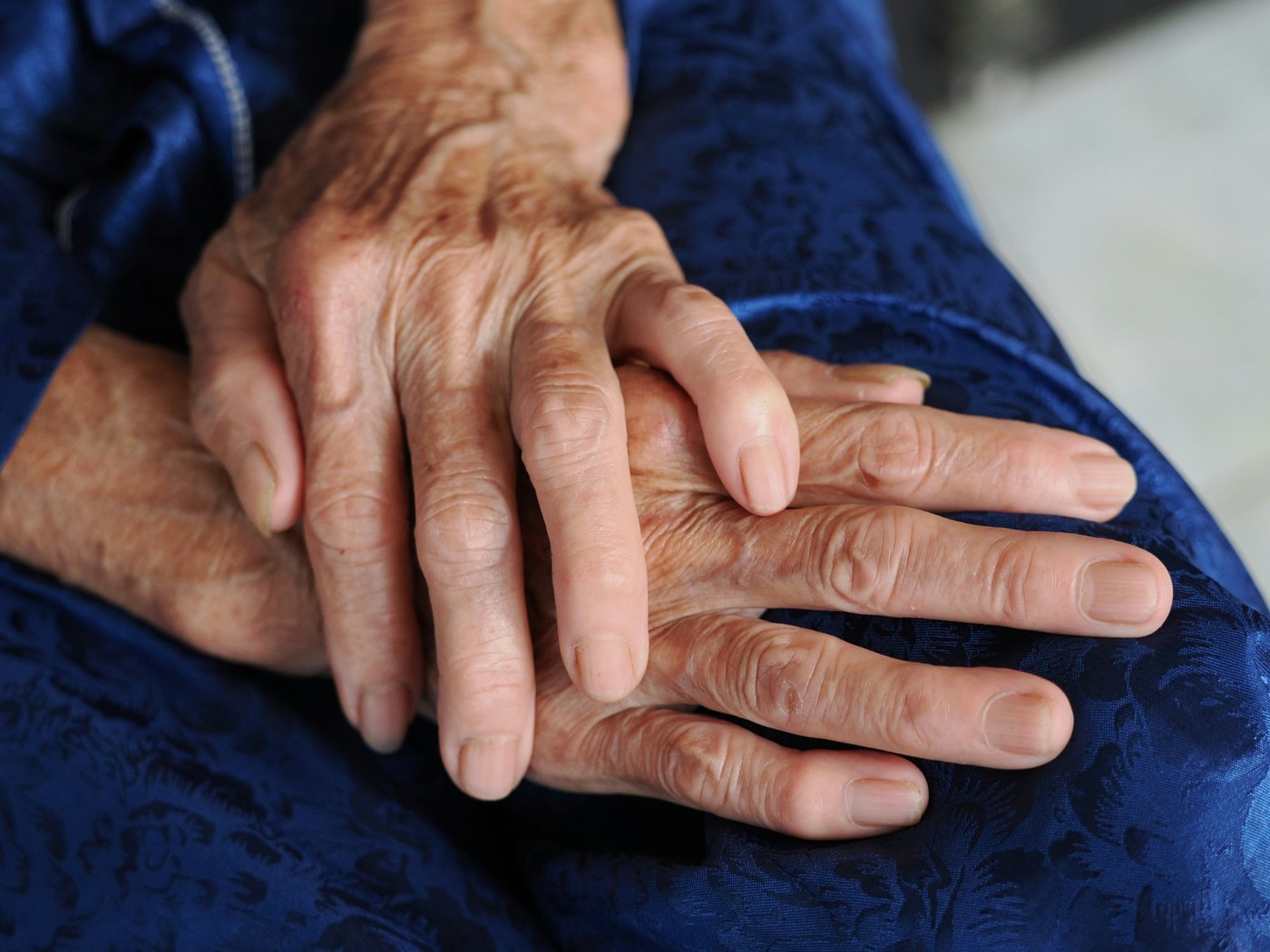
Arthritis describes inflammation or degeneration of one or more joints. The two most common forms are osteoarthritis, where cartilage gradually wears down, and rheumatoid arthritis, an autoimmune condition causing joint inflammation. Both produce pain, stiffness, and reduced function, though through different mechanisms.
Osteopathic treatment does not reverse arthritic changes. What it does is address the compensatory patterns that develop around affected joints, the muscle tension that builds to protect painful areas, and the wider mechanical imbalances that increase load on compromised joints. Many patients find they can move significantly more freely after treatment, even when the underlying joint changes remain.
We also work with the understanding that joint health is connected to overall function, posture, movement habits, and load distribution throughout the body. A whole-body assessment frequently reveals factors that are making arthritic symptoms worse and that can be directly addressed.
Common symptoms
Contributing factors
Osteopathy alongside other care
Osteopathy works well alongside GP management, rheumatology care, and medication. We do not ask you to stop any prescribed treatment. If we feel your condition requires specialist review or investigation, we will tell you directly and help you navigate that.
How we help
Treatment is adapted to the type and severity of your arthritis, the joints affected, and how your body is compensating. We always work within your comfort level.
Careful, controlled movement techniques to maintain and improve the range of motion in and around affected joints.
Releasing muscle tension and fascial restriction that builds around painful joints and limits movement.
Identifying how the rest of your body has adapted to protect painful joints, and addressing the knock-on effects.
Specific, appropriate movement and strengthening to support joint health and reduce the risk of further deconditioning.
Practical guidance on activity modification, posture, and daily habits that reduce unnecessary loading on affected joints.
Common questions
Can osteopathy help with osteoarthritis?
Yes. While osteopathy cannot reverse cartilage loss, it can significantly improve function and reduce pain by addressing the muscle tension, compensatory patterns, and mechanical imbalances that develop around arthritic joints. Many patients with osteoarthritis report meaningful improvement in what they can do day-to-day.
Can you treat rheumatoid arthritis?
Yes, with some important considerations. Rheumatoid arthritis requires a modified approach, particularly during flare-ups when joints are inflamed. We will always take a thorough history and adapt treatment accordingly. Osteopathy is not a substitute for rheumatological care, but it complements it well.
Will treatment be painful?
We always work within your tolerance. Arthritic joints can be sensitive, and we use the gentlest effective approach. You are always in control and we will explain what we are doing throughout.
How many sessions will I need?
This depends on the joints affected, the severity of changes, and how your body responds. Many patients benefit from a short course of treatment followed by periodic maintenance sessions. We will give you a realistic expectation after your first assessment.
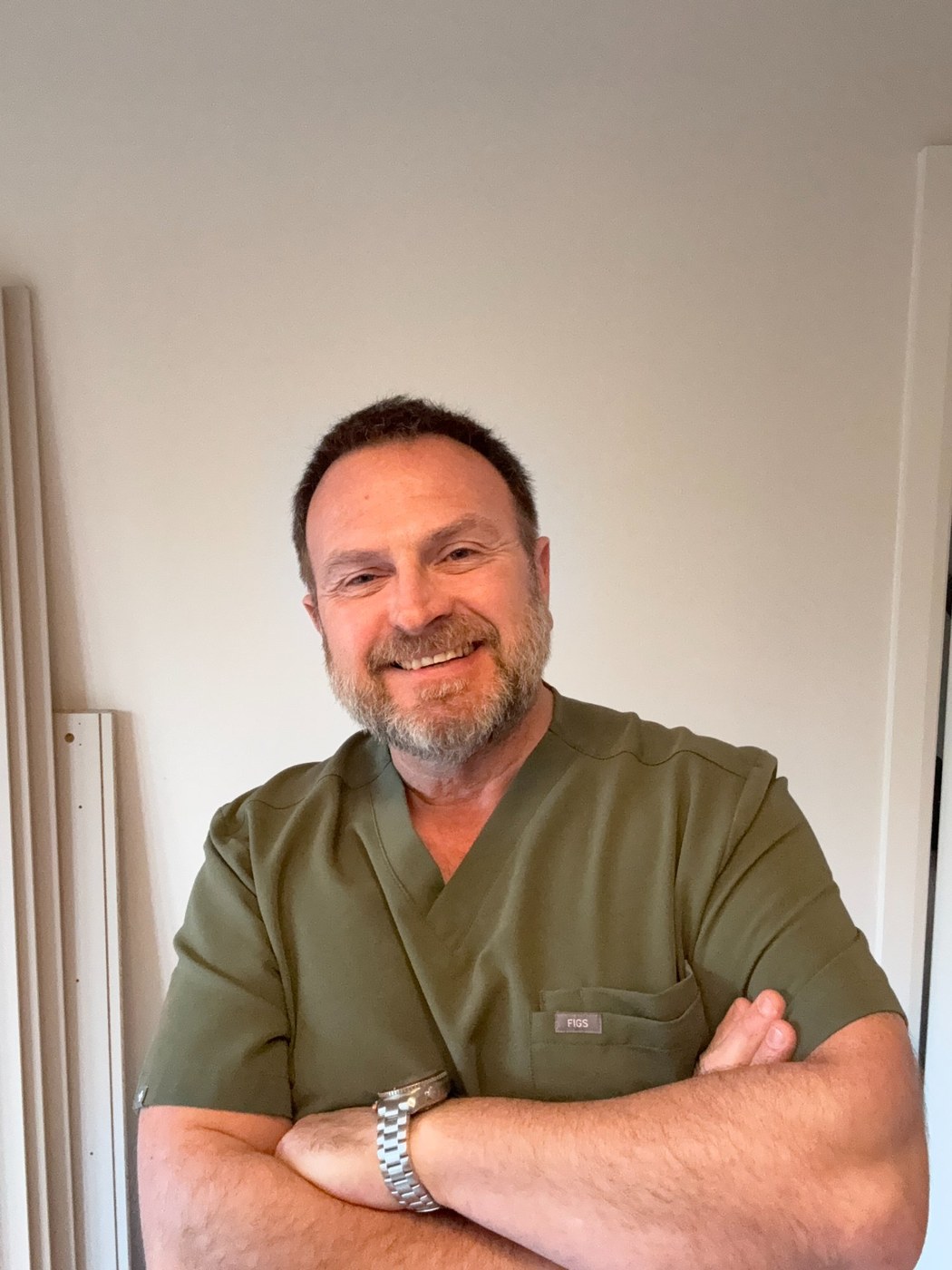
David Feherty
Registered Osteopath & Principal
In hands-on healthcare since 1999. A martial arts coach, marathon runner and Three Peaks finisher, David brings a lifetime of physical understanding to every assessment.
GOsC Registered · iO Member · TPI CertifiedNew patient assessments available often within the same week. No block sign-ups.
This information is for educational purposes only and does not replace individual medical advice. If you have been diagnosed with an inflammatory arthritis, please continue all prescribed medication and specialist care alongside any osteopathic treatment.