Conditions we treat
Tennis elbow affects far more people who have never picked up a racket than those who have. It is a common, painful overuse condition, and one that frequently recurs when only the elbow itself is treated. We look at the whole mechanical chain.
Book an Assessment →
Understanding the condition
Tennis elbow, or lateral epicondylalgia, is a painful condition affecting the outer side of the elbow where the forearm extensor muscles attach to the bone. Despite the name, it is most commonly caused by repetitive gripping, lifting, or computer use, not tennis.
The condition involves degenerative changes in the tendon rather than simple inflammation, which is why rest alone rarely resolves it and why it frequently recurs after treatment that focuses only on the elbow. The key to lasting resolution is understanding why the tendon is being overloaded.
From an osteopathic perspective, tennis elbow is often driven by mechanics higher up the chain, restriction in the cervical spine or thoracic outlet affecting nerve supply to the forearm, shoulder mechanics placing excess demand on the elbow, or grip and wrist patterns that overload the lateral epicondyle. Treating the elbow without addressing these is why so many people find the pain keeps returning.
Common symptoms
Contributing factors
Golfer's elbow
Medial epicondylalgia, or golfer's elbow, affects the inner side of the elbow and involves the flexor muscles. It is less common than tennis elbow but responds to a similar whole-chain osteopathic approach. If your pain is on the inner elbow, mention this when you book and we will assess accordingly.
How we help
Treatment targets both the local tendon pathology and the mechanical chain driving it. Without addressing both, lasting resolution is unlikely.
Identifying and treating any neck or upper back restriction affecting nerve supply and load distribution to the elbow.
Direct work on the forearm extensor muscles, lateral epicondyle, and surrounding soft tissue to reduce pain and improve tissue quality.
Restoring normal movement in the shoulder and elbow to reduce compensatory overload on the lateral epicondyle.
Evidence-based eccentric and isometric loading exercises proven to support tendon recovery and reduce recurrence.
Specific guidance on grip technique, workstation setup, and activity modification to reduce the repetitive loading driving the condition.
Common questions
I have had a steroid injection but the pain came back. Can osteopathy help?
Yes. Steroid injections can provide short-term pain relief but do not address the mechanical reasons the tendon is being overloaded. Osteopathic treatment specifically targets these underlying drivers, which is why it can resolve cases that have not responded to injection or physiotherapy focused only on the elbow.
How long does tennis elbow take to resolve?
Tendon conditions take longer to heal than muscle injuries, typically three to six months for full resolution. With appropriate treatment, most people see significant improvement within four to six weeks. We will give you a realistic timeline after your assessment.
Do I need to stop the activity that caused it?
Not necessarily, though modification is usually helpful. Complete rest is rarely the right answer and can delay recovery. We will advise on what to reduce, what to modify, and what you can continue.
Is it worth having a scan?
Ultrasound can confirm tendon pathology but rarely changes the treatment approach. We can diagnose tennis elbow clinically and begin treatment without imaging. If we have any concern about an alternative diagnosis, we will advise you to seek investigation.
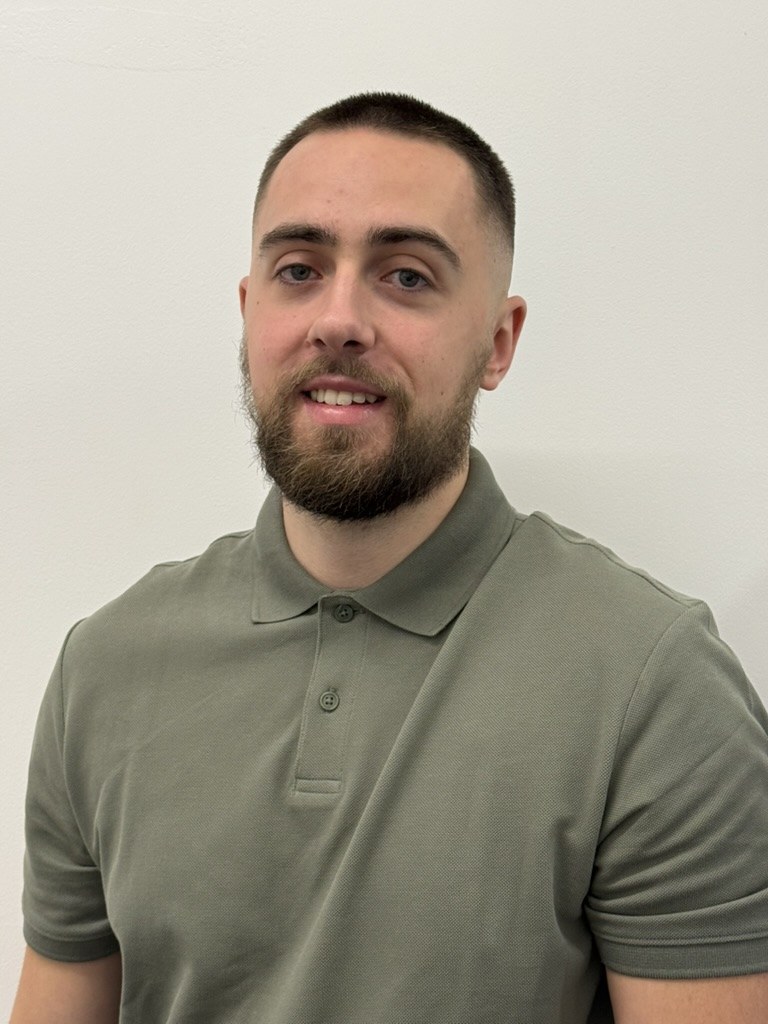
Reece Jones
Registered Osteopath
BSc Osteopathy 2024. Specialises in structural osteopathy and sports injuries. Calm, methodical, thorough.
GOsC Registered · iO MemberNew patient assessments available often within the same week. No block sign-ups.
This information is for educational purposes only and does not replace individual medical advice. If you have elbow pain following a fall or trauma, please seek medical assessment to rule out fracture before beginning treatment.