Conditions we treat
Not all headaches are the same, and not all headaches are best treated with medication. Many persistent headaches have a structural, cervicogenic cause that responds extremely well to osteopathic care.
Book an Assessment →
Understanding the condition
Headaches are one of the most common complaints we see, and one of the most commonly mismanaged. Many people with chronic or recurrent headaches have been managed purely with analgesia, without anyone investigating the underlying cause.
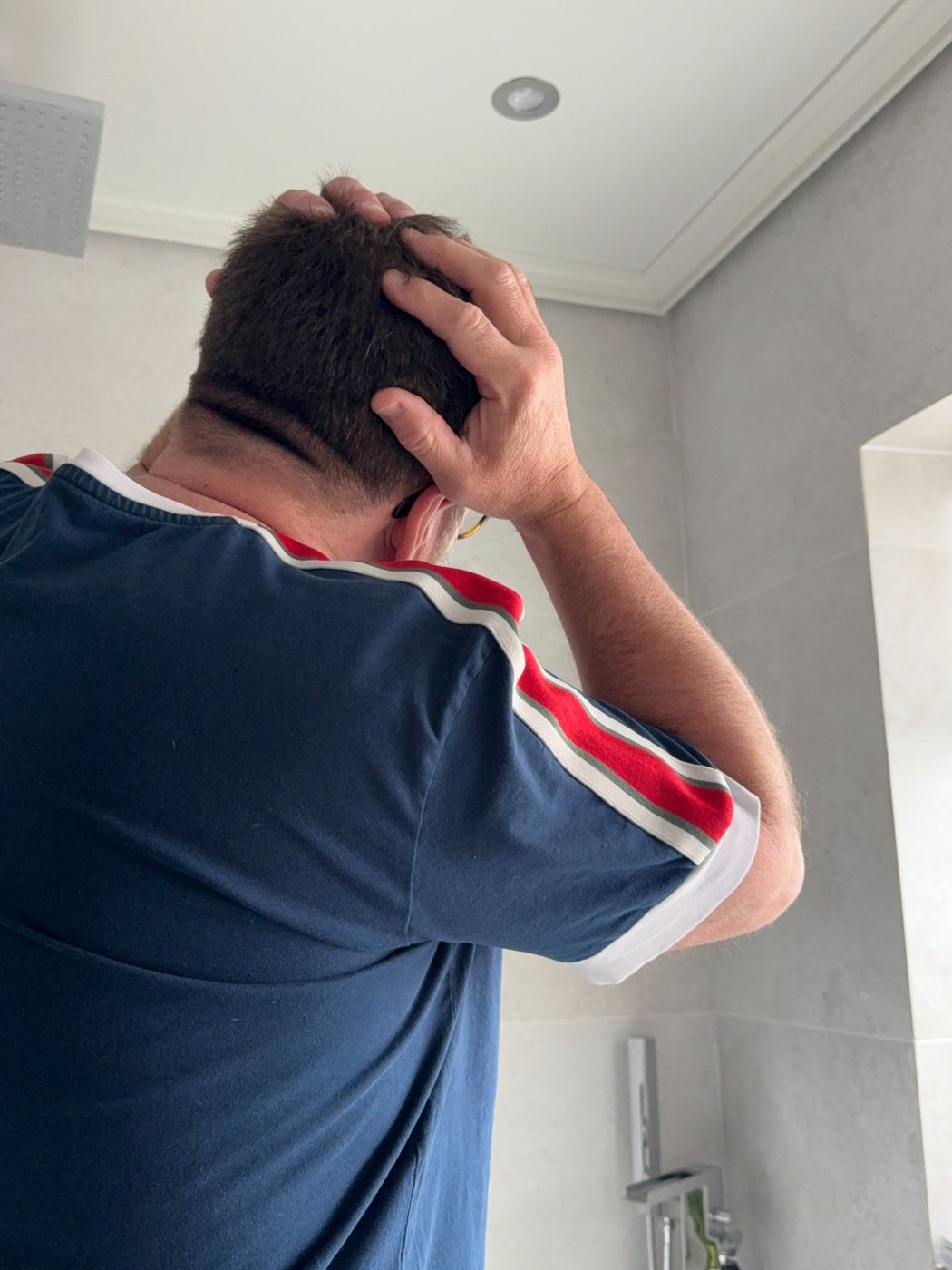
A significant proportion of persistent headaches are cervicogenic, meaning they originate from structural problems in the cervical spine, particularly at the upper levels (C1–C3). Tension in the suboccipital muscles, restriction at the C1/C2 joint, and upper thoracic stiffness are among the most frequent structural contributors.
Osteopathy is recognised as an effective treatment for cervicogenic headache. For migraine, we work on reducing the structural triggers and sensitisation factors that lower the threshold for attacks, reducing both frequency and severity for many patients.
Types & symptoms we treat
Contributing factors
When to see your GP
Osteopathy is appropriate for musculoskeletal and cervicogenic headaches. If you experience a sudden onset thunderclap headache, a headache following head injury, headache with fever and stiff neck, or headache with neurological symptoms (visual changes, weakness, confusion), seek immediate medical attention. We will always refer appropriately if we have any clinical concern.
How we help
Treatment depends entirely on the type of headache and what your assessment reveals. These are the primary approaches we use.
Precise, gentle techniques targeting the C1–C3 region, the primary structural source of cervicogenic headache.
Direct treatment of the small muscles at the base of the skull that are a primary source of referred head pain.
Identifying the complete structural picture, neck, upper back, jaw, and shoulders, before forming a treatment plan.
For migraine patients, helping to identify and reduce both structural and lifestyle triggers to decrease attack frequency.
Practical guidance on screen use, sleep position, stress management, and daily habits that are sensitising your system.
Common questions
How do I know if my headaches are cervicogenic?
Cervicogenic headaches typically start at the back of the head or neck and may spread forward. They are often associated with neck stiffness, worsen with certain neck movements or sustained postures, and may be reproduced by pressing on specific points in the upper neck. A thorough osteopathic assessment will determine whether this is the case for you.
Can osteopathy help with migraines?
Osteopathy is not a cure for migraine, but it can significantly reduce the frequency and intensity of attacks for many patients by addressing structural triggers, particularly upper cervical restriction and muscle tension, that lower the threshold for attacks. We will be honest with you about realistic expectations.
I've had these headaches for years. Is it too late for osteopathy to help?
Not at all. Chronic headaches can develop a degree of central sensitisation, which requires a slightly different approach, but they still respond well to treatment, particularly when structural contributors have not previously been identified. Our whole-body assessment frequently finds things that have been overlooked.
Do I need to stop my headache medication before seeing you?
No. Continue any medication your GP has prescribed. We will discuss your full medication history at your assessment and work alongside your existing care. If overuse of analgesia is contributing to your headaches (a common pattern), we will discuss this sensitively and help you navigate the options.
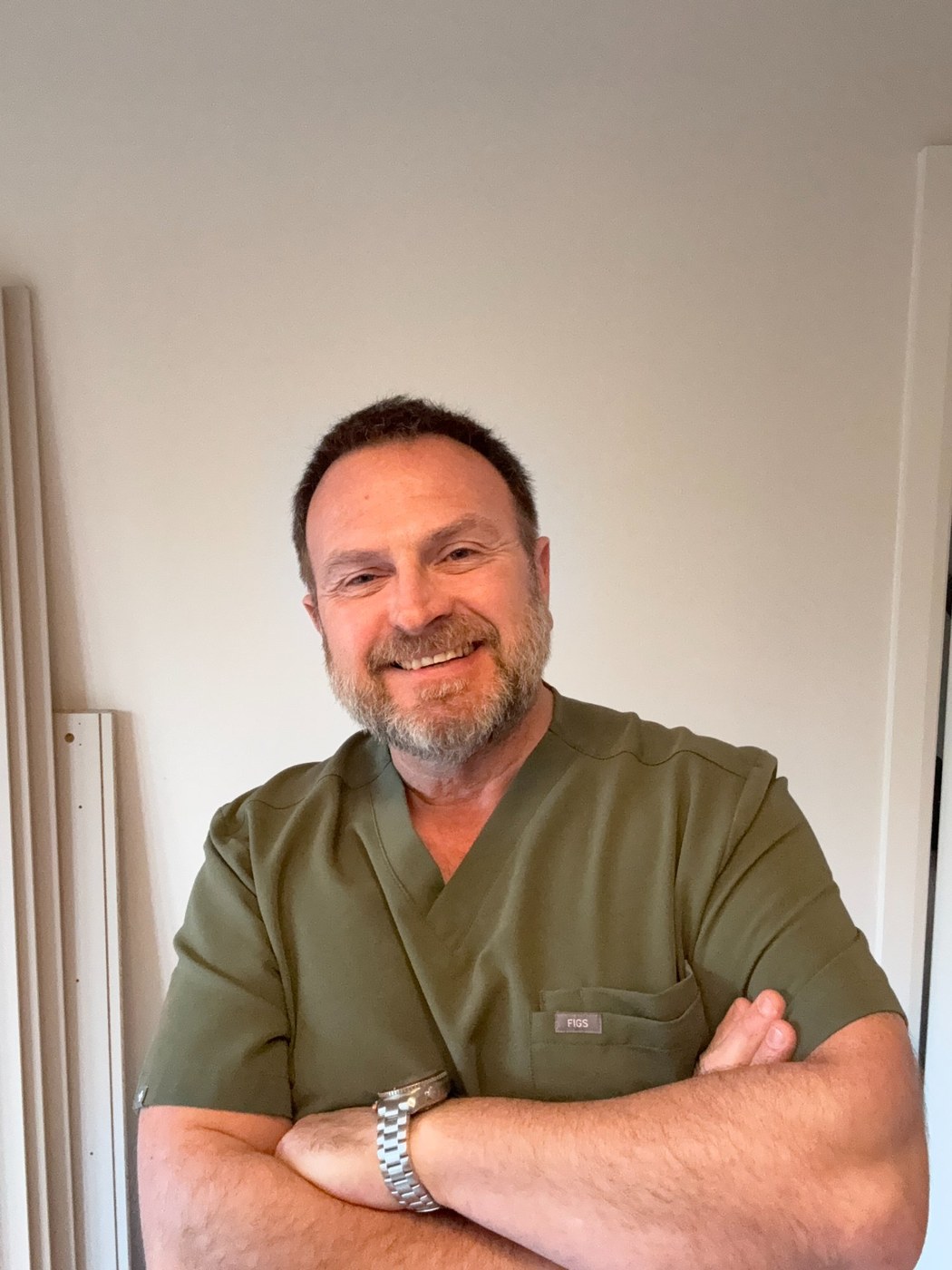
David Feherty
Registered Osteopath & Principal
In hands-on healthcare since 1999. David combines structural osteopathic work with acupuncture where appropriate for headache management.
GOsC RegisteredNew patient assessments available often within the same week. No block sign-ups.
This information is for educational purposes only and does not replace individual medical advice. If you experience a sudden severe headache, headache with fever and stiff neck, or headache following head injury, seek urgent medical attention immediately.